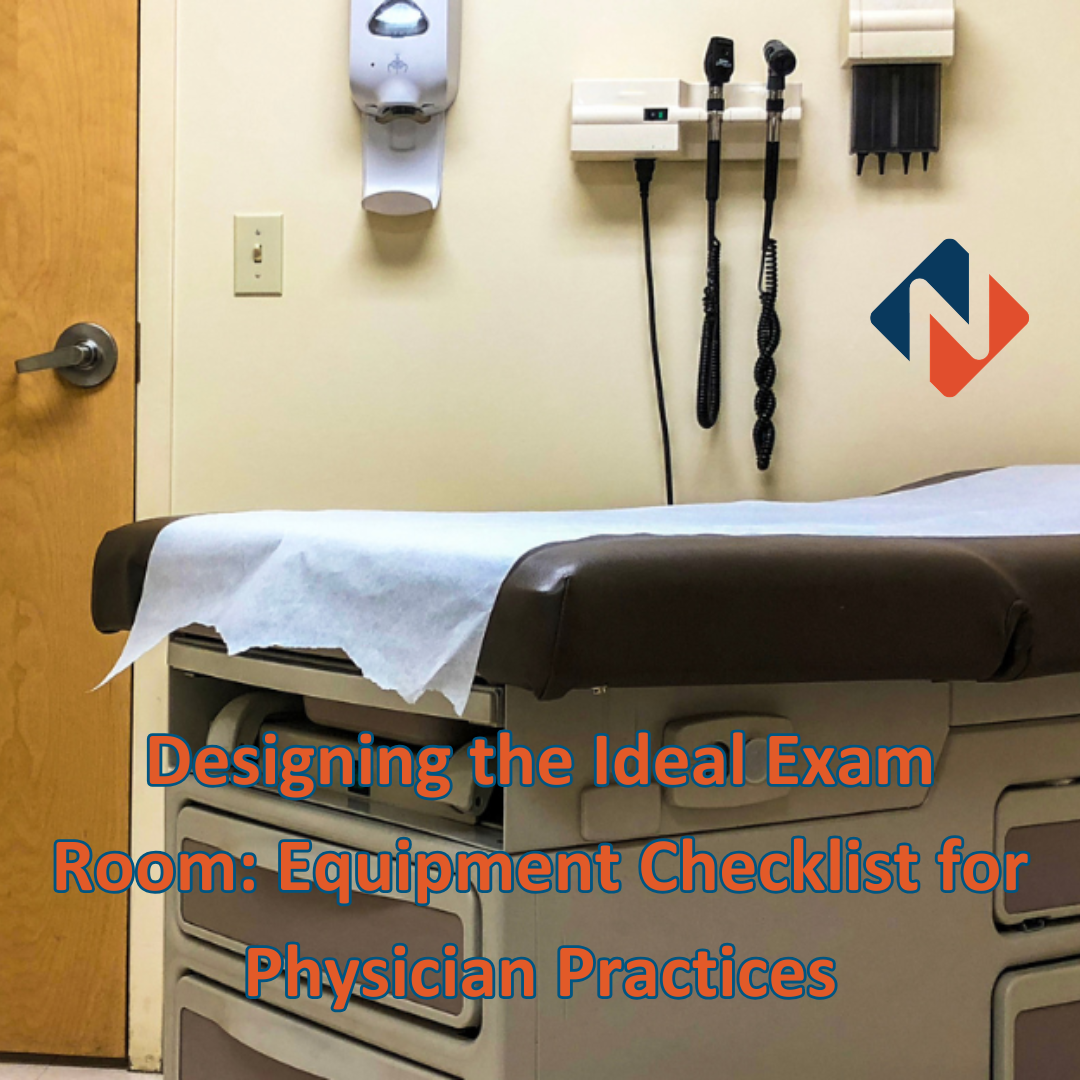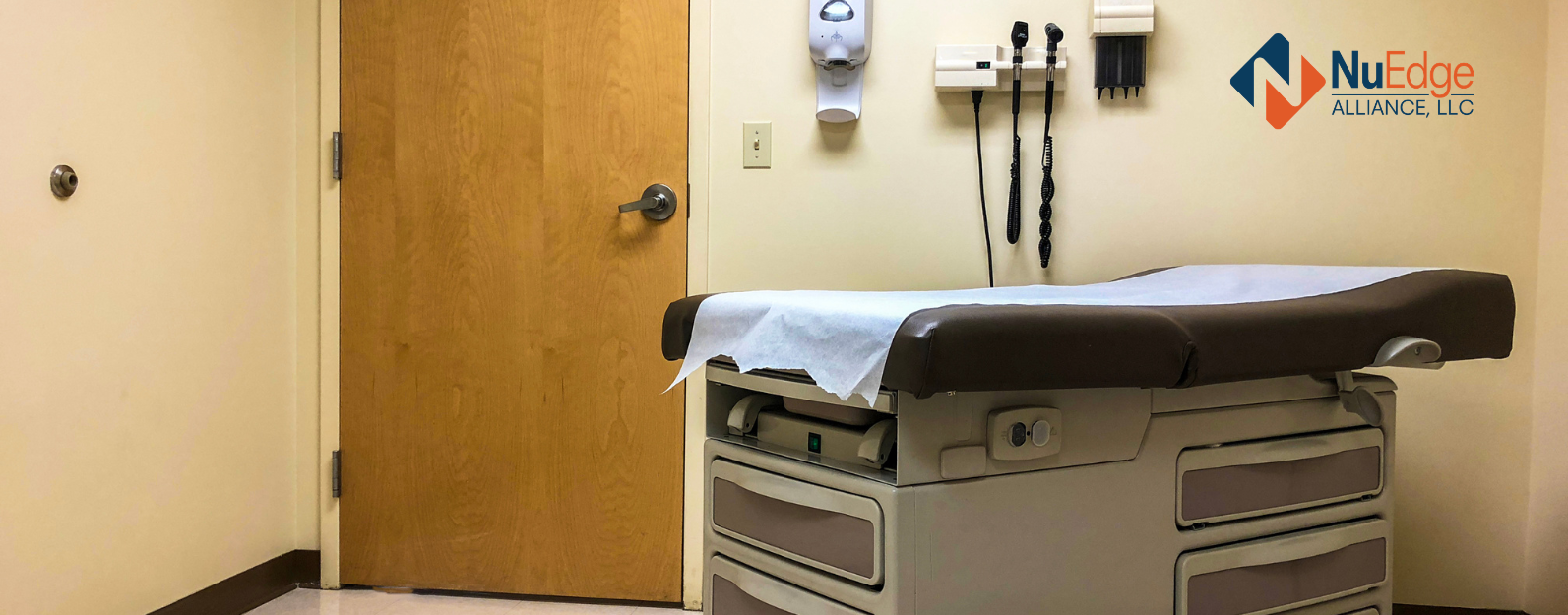
The exam room is the clinical and operational core of any physician practice. It’s where diagnoses are made, relationships are built, and efficiency is either gained—or lost.
Designing an ideal exam room isn’t just about aesthetics or square footage. It’s about equipping the space with the right tools, in the right layout, to support clinical workflows, patient comfort, and staff productivity.
Whether you’re opening a new clinic, renovating, or optimizing existing space, here’s a practical equipment checklist—along with key considerations to get it right.
Before selecting equipment, define what the room needs to achieve:
With those goals in mind, let’s break down the essentials.
Key features to look for:
Why it matters:
The exam table anchors the room. Choosing the right model improves both patient safety and provider ergonomics.
Core components:
Advanced option:
Why it matters:
Fast, accurate vitals collection sets the tone for the entire visit and reduces documentation burden.
Typical setup:
Why it matters:
Include:
Why it matters:
Comfort impacts both provider performance and patient experience—especially during longer visits or consultations.
Types:
Key considerations:
Why it matters:
Proper lighting improves diagnostic accuracy and reduces eye strain.
Essentials:
Best practice:
Organize supplies by frequency of use, keeping high-use items within arm’s reach.
Why it matters:
Poor storage design leads to wasted time, clutter, and inconsistent workflows.
Common items to stock:
Why it matters:
A fully stocked room prevents interruptions and keeps patient visits on schedule.
Must-have supplies:
Why it matters:
Infection control must be built into the room design, not treated as an afterthought.
Designing or upgrading exam rooms can be capital-intensive—but a healthcare GPO can help practices make smarter decisions.
Key benefits:
✔ Better Pricing on Equipment & Supplies
Access pre-negotiated contracts for exam tables, diagnostic systems, and everyday consumables.
✔ Product Standardization
Align rooms across locations to reduce variation and improve efficiency.
✔ Vendor Consolidation
Simplify purchasing and logistics with fewer suppliers.
✔ Equipment Evaluation Support
Compare options based on cost, durability, and clinical performance.
✔ Ongoing Supply Optimization
Ensure rooms stay properly stocked without overspending.
The ideal exam room is more than a checklist—it’s a carefully designed environment that supports both clinical excellence and operational efficiency.
By focusing on:
…physician practices can create spaces that improve:
And with the support of a GPO, building and maintaining those ideal rooms becomes far more achievable—both operationally and financially.
Looking for exam room supplies? Find a NuEdge Authorized Distributor in your area today by visiting our Find-A-Distributor Map.