For physician practices and outpatient clinics, efficiency isn’t just about seeing more patients. It’s also about having the right supplies available, reducing unnecessary steps, simplifying cleanup, and keeping staff focused on patient care.
Disposable medical products can play an important role in all of these areas.
For distributors, this creates an opportunity to do more than sell individual products. By helping practices evaluate their everyday disposable supplies, distributors can become valuable partners in improving workflow, controlling costs, and simplifying purchasing.
Many disposable medical products are used throughout the day, making small improvements add up quickly.
Because these products are frequently used and reordered, product selection can affect both staff workflow and supply management.
Gloves are among the most frequently used products in many healthcare settings.
Consistent access to the appropriate glove type, size, and packaging can help staff avoid interruptions and unnecessary searching. Practices may also benefit from standardizing commonly used glove products where appropriate.
For distributors, gloves can be an entry point into broader conversations about PPE, infection prevention, and other high-volume disposable categories.
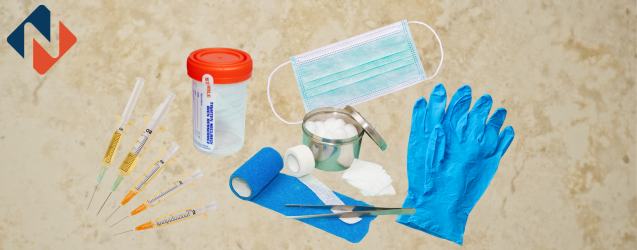
Injections, vaccinations, and other procedures depend on having the appropriate syringes and needles readily available.
Organizing commonly used sizes and configurations can help reduce preparation time and prevent staff from searching through multiple products.
Distributors can help practices review usage patterns and identify opportunities to simplify their syringe and needle portfolio.
Exam table paper, drapes, gowns, and other patient-care disposables may seem simple, but they are used repeatedly throughout the day.
Products that are easy to store, access, and replace can help keep exam rooms moving efficiently between patients.
Gauze, adhesive products, dressings, and other wound care disposables are common across primary care and outpatient settings.
Creating standardized procedure supplies can help staff quickly locate what they need and reduce unnecessary variation between rooms.
Disposable barriers and covers can help protect frequently touched equipment and surfaces.
Used appropriately as part of an overall cleaning and infection-prevention program, these products can help simplify room turnover and reduce the need to repeatedly clean certain protected surfaces.
Specimen containers, collection materials, labels, and related disposables are another area where organization matters.
Keeping commonly used products together and maintaining appropriate inventory levels can help reduce delays and make specimen-handling workflows more consistent.
One of the biggest opportunities for distributors is helping practices reduce unnecessary product variation.
A practice may unknowingly purchase multiple versions of similar products across departments or locations.
Standardizing commonly used items where clinically appropriate can help with:
Standardization doesn’t mean limiting a practice to one product for everything. It means identifying where consistency makes sense.
Distributors can add value by looking beyond individual orders.
Instead of simply asking, “What do you need to reorder?”, sales representatives can ask:
These conversations can uncover opportunities to improve both purchasing and workflow.
GPO programs can give distributors additional tools to support these conversations.
Through the NuEdge program, distributors have access to negotiated pricing across common disposable categories, manufacturer relationships, product alternatives, and opportunities to support standardization.
For high-volume products, even small improvements in purchasing efficiency can become meaningful over time.
The distributor can therefore bring more to the customer than a product catalog and a price sheet—it can bring category knowledge, purchasing expertise, and solutions designed around the practice’s needs.
Disposable medical products may be small components of healthcare operations, but they are used constantly.
The right products, organized effectively and purchased strategically, can help practices reduce unnecessary complexity and keep daily workflows moving.
For distributors, that creates an opportunity to sell beyond the SKU.
The goal isn’t simply to keep the supply closet full. It’s to help customers build a simpler, more efficient way to purchase and use the products they rely on every day.
Visit our website today to view a list of our supplier partners and find the right disposable medical products for your business.