Primary care is increasingly focused on providing more convenient, efficient care while making informed clinical decisions during the patient visit. Point-of-care testing (POCT) can play an important role in that model by allowing certain tests to be performed close to the patient rather than relying entirely on a central laboratory.
For primary care practices, the right point-of-care testing strategy can help support faster clinical decision-making, streamline workflows, and reduce unnecessary delays.
But choosing the right equipment isn’t simply about buying the latest analyzer. Practices need to consider test volume, clinical needs, regulatory requirements, staff training, connectivity, supply costs, and ongoing maintenance.
Here’s a look at some of the most useful point-of-care testing tools for modern primary care clinics—and what practices should consider before adding them to their testing portfolio.
Point-of-care testing refers to diagnostic testing performed in or near the location where a patient receives care.
Depending on the practice and applicable requirements, testing may be performed:
Common primary care applications include testing for infectious diseases, diabetes management, urinalysis, pregnancy, and other routine clinical needs.
The goal is straightforward: bring appropriate diagnostic information closer to the point of care.
Diabetes management is a major component of primary care, making HbA1c testing one of the most useful point-of-care capabilities for many practices.
POC HbA1c analyzers can provide information about a patient’s average blood glucose over the preceding several months.
An in-office HbA1c test can help support:
For high-volume practices, the ongoing cost of cartridges or test materials can be just as important as the initial equipment purchase.
Urinalysis is another common diagnostic tool in primary care.
Depending on the practice and clinical situation, urine testing may help evaluate conditions such as urinary tract concerns, kidney-related issues, and other abnormalities.
Common supplies include:
A standardized urinalysis workflow can make routine testing easier for clinical staff while reducing manual steps.
Practices should evaluate whether automated or manual testing makes the most sense based on patient volume, staffing, and available space.
Rapid testing can be particularly valuable when a provider needs diagnostic information during the appointment.
Depending on the season, patient population, and applicable regulatory requirements, primary care clinics may use rapid tests for conditions such as:
Results available during the visit may help providers determine the next appropriate clinical steps without waiting for a reference laboratory result.
A low-cost test isn’t necessarily the lowest-cost solution if it creates additional workflow or operational burdens.
Pregnancy testing is a relatively simple point-of-care capability that can be important across many primary care settings.
Depending on the practice’s workflow, testing may use:
Because these tests are often used alongside other clinical decisions, efficient availability can help prevent unnecessary delays.
Blood glucose testing can be useful in primary care for patients with diabetes or other conditions requiring glucose assessment.
Common equipment includes:
Practices should account for the recurring cost of test strips and other consumables when evaluating total ownership costs.
Some primary care practices may use point-of-care lipid testing to obtain information about cholesterol and other lipid measurements during a visit.
Potential benefits include:
Whether in-office lipid testing makes sense depends heavily on patient volume, reimbursement, workflow, and the practice’s broader laboratory strategy.
Some clinics may benefit from point-of-care systems capable of measuring hemoglobin or other basic blood parameters.
These tools can be particularly useful when rapid information is clinically appropriate.
When evaluating these systems, consider:
Practices should select testing capabilities based on actual clinical demand rather than simply purchasing the most comprehensive system available.
Molecular testing has expanded the capabilities available to outpatient practices.
Certain molecular platforms can provide rapid detection of specific pathogens or other targets.
Potential advantages include:
However, molecular systems can involve greater equipment and consumable costs than simpler rapid tests.
Practices should carefully evaluate expected test volume and clinical use cases before making a capital investment.
The analyzer itself is only one component of a successful testing program.
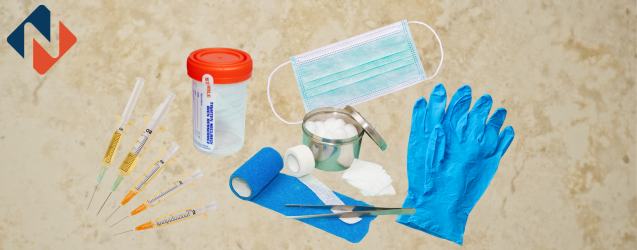
Practices also need to manage supporting supplies such as:
These recurring items can represent a significant portion of the total cost of a point-of-care testing program.
Inventory management is therefore just as important as equipment selection.
Not every primary care clinic needs every type of point-of-care test.
A better approach is to start with the practice’s clinical and operational needs.
Consider:
How many tests will actually be performed each month?
Which tests are most relevant to the patient population?
Evaluate both equipment and recurring consumables.
Can existing staff perform the testing efficiently?
Does the clinic have an appropriate area for testing, storage, and waste management?
What quality-control, documentation, training, and regulatory requirements apply to each testing system?
Can results be efficiently incorporated into the practice’s existing documentation workflow?
Point-of-care testing can involve multiple manufacturers, contracts, consumables, and equipment decisions.
A healthcare GPO can help practices simplify that purchasing process.
GPO agreements can provide access to negotiated pricing on analyzers, test kits, and related supplies.
Practices can evaluate products from established manufacturers through a broader contracted portfolio.
Purchasing data can help identify high-volume testing categories and opportunities to control recurring costs.
Multi-location practices can standardize testing platforms and supplies where clinically appropriate.
GPO and distributor relationships can help practices plan for recurring consumable needs and potential supply disruptions.
Point-of-care testing can be a valuable component of modern primary care, giving providers convenient access to diagnostic information while helping streamline certain clinical workflows.
But success depends on more than choosing an analyzer.
Practices need to consider equipment, consumables, staff training, quality processes, connectivity, inventory, and total cost of ownership.
By taking a strategic approach—and leveraging GPO contracts where appropriate—primary care practices can build a point-of-care testing program that supports both clinical efficiency and responsible resource management.
The goal isn’t simply to test faster.
It’s to create a testing strategy that works seamlessly within the way the practice delivers care.
Looking for Point-of-Care products? Visit the NuEdge Website today.